What ship management means in practice
Ship management can cover different assignments, from technical coordination and operational support to a formally contracted management role. Those arrangements are not identical. A full management appointment requires a defined agreement and clear responsibilities. A port-based technical attendance may have a much narrower scope. The first step is to identify which kind of support the owner or operator actually needs.
This proposed service page brings together maintenance planning, spares and repair coordination, crew support, service records and communication. It does not imply that every vessel management responsibility is automatically transferred to AnchorVoyage. The owner, operator, master and appointed specialists must agree the boundaries of the assignment.
How technical coordination begins
A good technical brief explains the symptom, operating impact and desired outcome. The superintendent’s assessment, equipment identification, drawings, photographs and relevant service history may all help. Where a specialist is required, availability is only one part of the decision; suitability, access conditions and the planned work window matter as well.
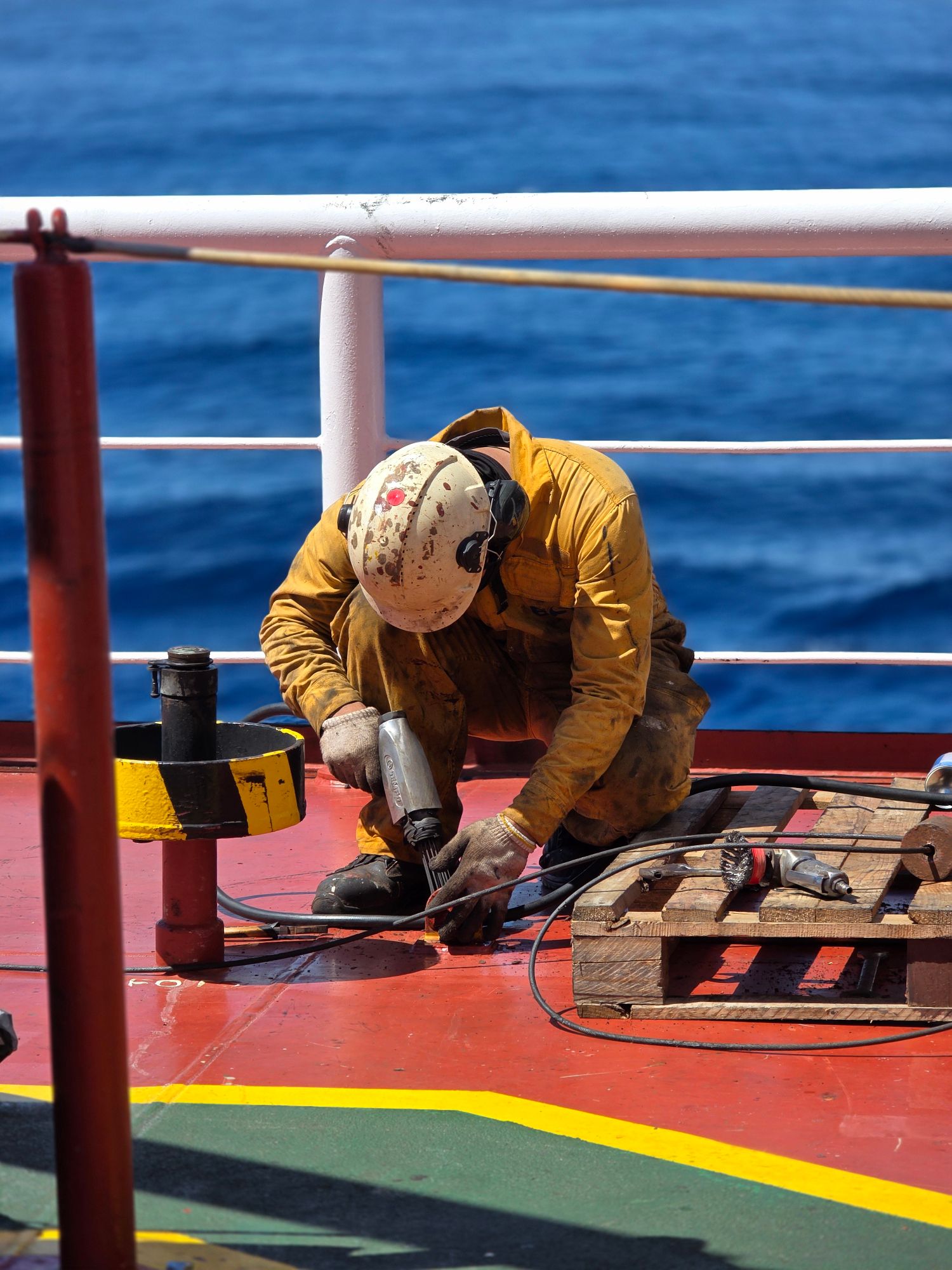
The work should be connected to the vessel schedule. An engineer arriving at the quay does not mean the ship can immediately release the equipment for attention. Planning must account for vessel activity, permits, onboard supervision and the conditions set by the responsible technical personnel. Findings and changes should be recorded rather than buried in a sequence of informal messages.
Crew welfare belongs in the operating plan
A crew change is more than a name on a list. Travel, documents, immigration arrangements, transfers and the vessel’s actual location must align. A late change to a berth or departure estimate can affect the entire travel sequence. Welfare arrangements also need respect for the individual: medical needs, rest, communication and a clear point of contact.
Practical ship husbandry helps link these requirements to the port call. Supplies, fresh water, waste services and support visits are planned around the vessel’s working day. The objective is to reduce unnecessary disruption while ensuring the relevant approvals and responsibilities remain clear.
What a useful management enquiry includes
Tell us whether you need a single attendance, ongoing coordination or a discussion about a wider management appointment. Provide the vessel particulars, operating area, intended port, arrival estimate and the issue you want to address. Where equipment is involved, include the maker, model, part references and the superintendent’s contact.
For recurring support, describe the reporting format, approval process and the existing working relationship between owner, operator and onboard team. It is easier to agree a sensible scope when the parties know who can authorise expenditure, who reviews technical findings and which decisions must remain with the master or responsible manager.
Why coordinated vessel support matters
The value lies in making information useful. A technical update should explain what has been established, what remains uncertain and what decision is required. A service record should help the next person understand the history of the work. Communication that is merely frequent can still leave a vessel team without clarity.
The AnchorVoyage service experience emphasises a clear brief, an agreed coordination role and a documented handover. It supports a practical conversation about the vessel rather than presenting generic claims of guaranteed uptime or invented fleet statistics. Discuss the level of support you need so that the response can be matched to the actual operating challenge.
Your initial enquiry checklist
- Type and duration of the management assignment
- Vessel particulars and operating schedule
- Technical brief and equipment identification
- Superintendent and onboard contacts
- Approval limits and required reporting
Questions, answered.
Does a technical attendance equal full ship management?
No. A full management role and a scoped technical attendance carry different responsibilities and require an explicit agreement.
Can you provide a repair guarantee from this page?
No. Work scope, specialist suitability, parts and acceptance criteria need to be agreed for the specific assignment.