THE PORT JOURNEY
Every movement has a next step.
Follow the complete port-call story, from the first arrival message to the onward cargo handover. These nine stages explain the key interfaces in a vessel call.
Vessel arrival & pilotage
The call begins before the vessel reaches the port. Arrival information creates the first shared picture of the ship, its purpose and its expected timing.
Mooring & safety coordination
Alongside is the beginning of a new working environment, where vessel, terminal and service-provider activities meet.
Unloading & cargo discharge
Discharge connects the voyage to the shore-side cargo chain. Its progress influences storage, collection and the vessel’s remaining programme.
Yard operations & storage
After discharge, cargo may spend time within a terminal or storage arrangement before its next movement. That interval needs a plan of its own.
Customs & inspections
Documentation and inspection interfaces can influence when cargo or the vessel can move to its next stage. They deserve early attention within the plan.
Inland transport & gate operations
The onward movement turns a port arrival into delivery to a business, warehouse or project site.
Loading operations for departure
Export loading brings cargo, vessel planning and terminal activity together before the next voyage.
Final checks & departure
A good departure handover gathers the call into a clear account of completed work and remaining matters.
Connecting the wider trade journey
The ninth idea in the reference describes the impact of the whole process: ports connect businesses and markets through a chain of coordinated movements.
A journey shaped around the actual vessel.
Container, bulk, tanker and commercial calls have different requirements. The sequence is illustrative; stages may overlap or change with the assignment.
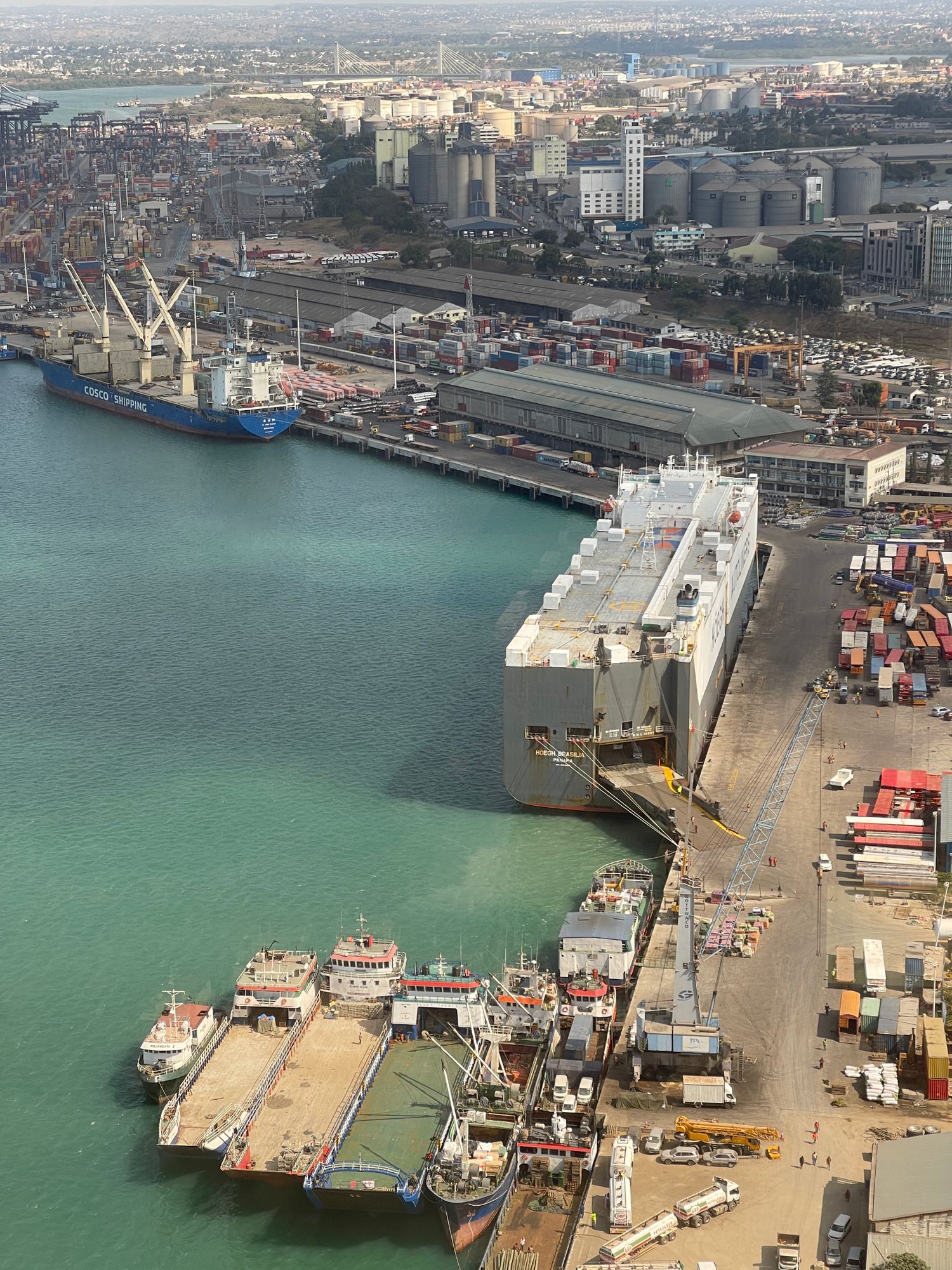
Explore the cargo differences →Illustrative stock image: Pexels / aerial panorama of a cargo port terminal. Not represented as company assets or a Port Harcourt location.