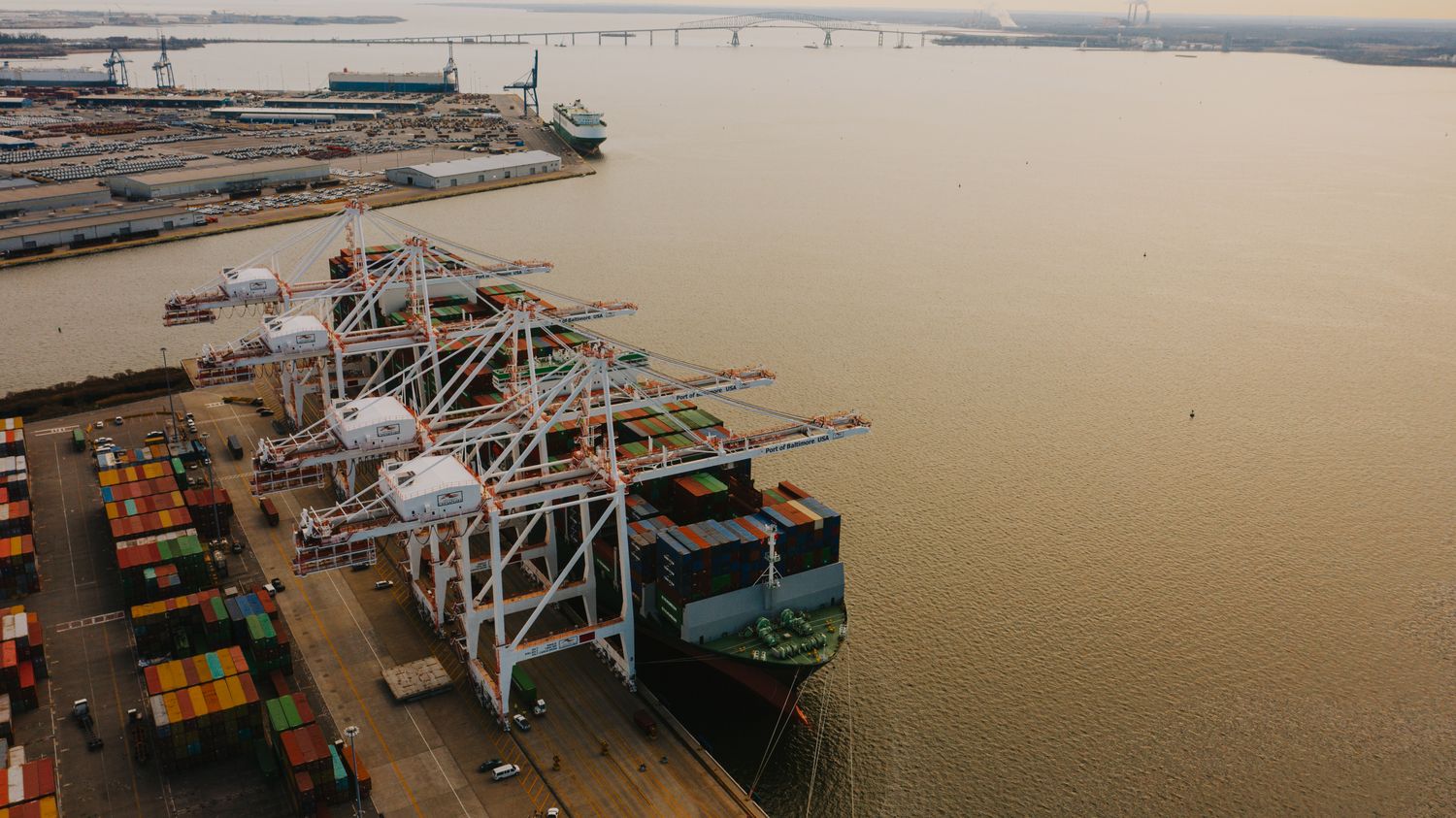
What port operations support involves
The scope begins with an arrival conversation and continues through the vessel’s stay. It may include coordinating pre-arrival information, liaising over a berth window, arranging access for suppliers and service providers, following cargo progress and preparing the departure handover. The exact assignment depends on the appointment, vessel type, terminal and cargo. The port authority, pilot, terminal operator and master retain their respective responsibilities. A coordinating agent does not replace their decisions.
Stevedoring concerns the loading and discharge of cargo. Container handling, breakbulk lifts and dry-bulk movements have different equipment, work patterns and documentation. Before any plan is confirmed, the parties need to understand the cargo, handling arrangements, vessel restrictions and terminal requirements. A useful coordination plan describes the interfaces rather than promising a universal handling method.
How a coordinated port call takes shape
First, the team establishes the objective: a cargo exchange, a supply call, a crew change, technical attendance or a combination of these. Next comes the working brief. Vessel particulars, estimated arrival, cargo information and required services are organised into a shared plan. Open questions are identified before people commit to an unrealistic timetable.
During the call, communication should distinguish a confirmed event from an estimate. “Vessel alongside” is an event; an expected completion time is a forecast. The distinction matters when a truck is dispatched, a supplier books transport or a charterer plans the next voyage. The final stage is a clear handover, with outstanding items recorded and completion documents checked.
What we need from your vessel or cargo team
Start with the vessel name and IMO number, principal contact, intended port or terminal, estimated arrival and reason for the call. For cargo operations, provide the cargo description, quantity, packaging or unit type, handling considerations and relevant documents. Share unusual dimensions, time constraints and any service that must take place before departure.
If information is provisional, label it that way. A changing arrival estimate is manageable when everyone understands its status. An unlabelled assumption is harder to manage because other parties may treat it as a firm instruction. Supporting drawings, cargo lists and terminal correspondence help turn a general request into an actionable brief.
Container ships, bulk cargo and tankers need different conversations
A container call depends on unit information, terminal coordination and the sequence linking vessel, yard and onward collection. A breakbulk movement may require attention to individual lifts, securing arrangements and cargo condition. A dry-bulk call has its own loading or discharge interface. These are connected by the need for careful planning, but their practical requirements are not interchangeable.
Liquid-cargo and tanker activity calls for a specialised vessel–terminal conversation. Cargo characteristics, approved procedures, facility compatibility and operational permissions must be established by the responsible parties. This website describes the coordination context; it does not provide a cargo-transfer procedure or confirm that a particular terminal can receive a particular vessel.
Why choose a joined-up approach
The value of a coordinating partner is continuity. A supplier delivery, cargo milestone and departure arrangement may be individually straightforward but still conflict when they are planned independently. The AnchorVoyage approach brings the conversation back to the overall objective: an organised call with clear responsibilities and useful updates.
Choose support on the basis of an agreed scope, understandable communication, transparent service arrangements and a practical understanding of the local interfaces. Discuss how updates will be shared, who can approve changes and what evidence will close the assignment. Those questions are more useful than an unsupported promise that every vessel will sail on a fixed timetable.
Your initial enquiry checklist
- Vessel name, IMO number and appointed principal
- Port/terminal and arrival estimate
- Cargo description, quantity and handling requirements
- Requested services and priority deadlines
- Named contacts and approval responsibilities
Questions, answered.
Are port operations the same as stevedoring?
Stevedoring is cargo loading and discharge. Port operations support connects the broader port call, including arrival information, service arrangements, cargo liaison and departure coordination.
Can you confirm berth availability from this website?
No. Berth and terminal acceptance depend on the current operational position and responsible authorities. Share your requirement with operations for a scoped conversation.